A bastion of history and spirituality
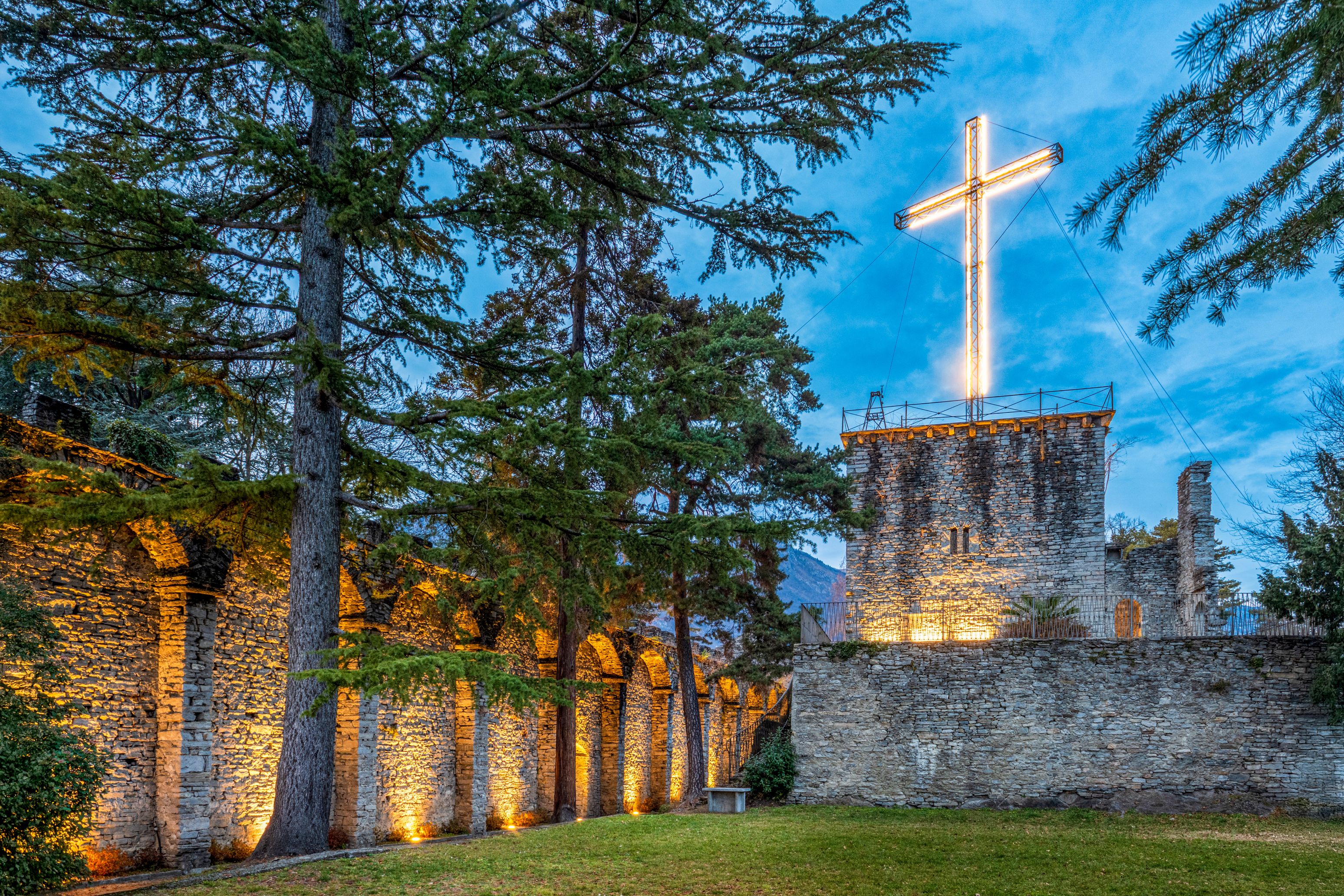
The Mattarella Castle is located on the hill of the same name overlooking the Ossola plain south of Domodossola.
Its remains are integrated into the devotional path of Sacro Monte Calvario, built from 1656-57 on the same hill, which later also housed the Rosminian convent (1828).
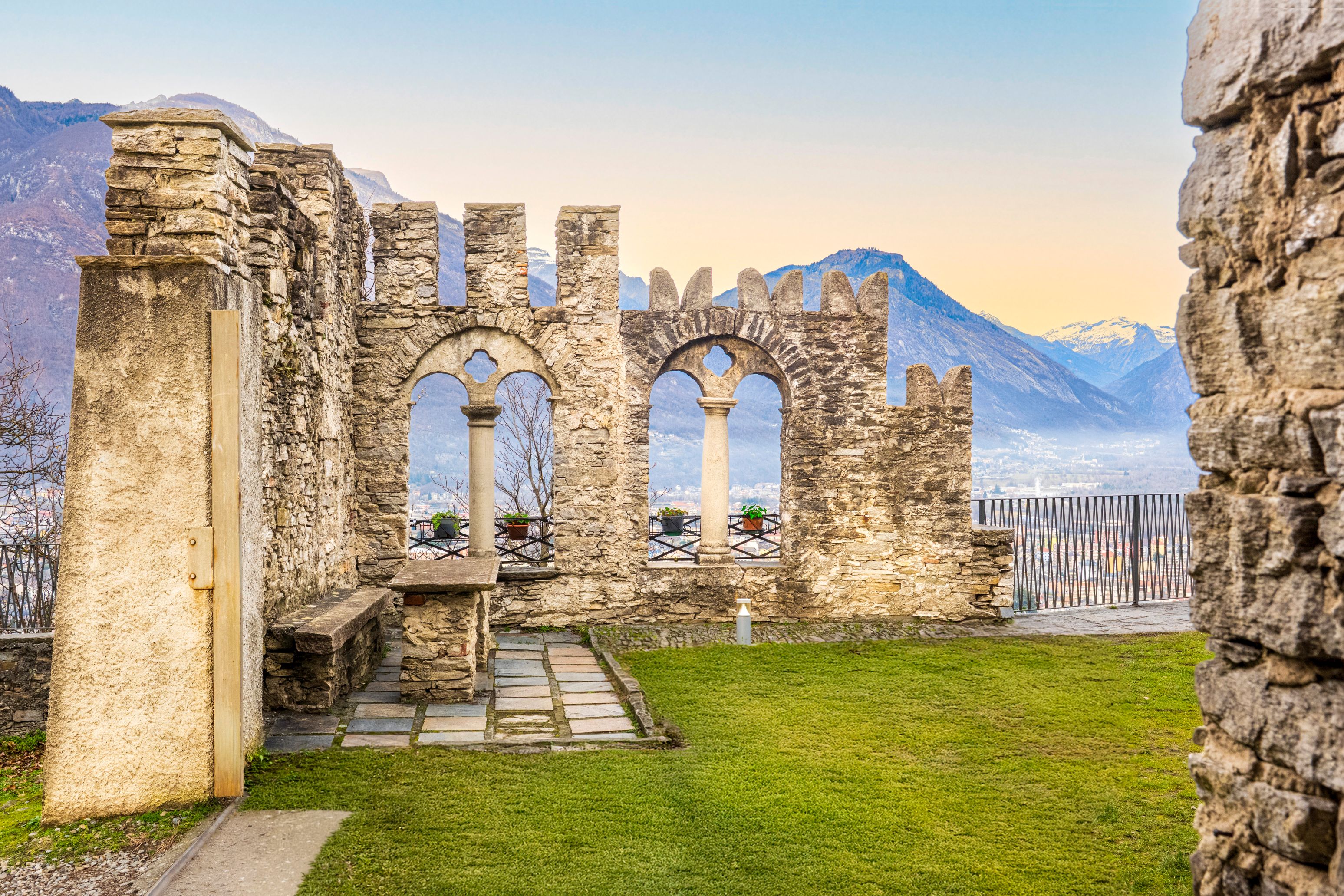
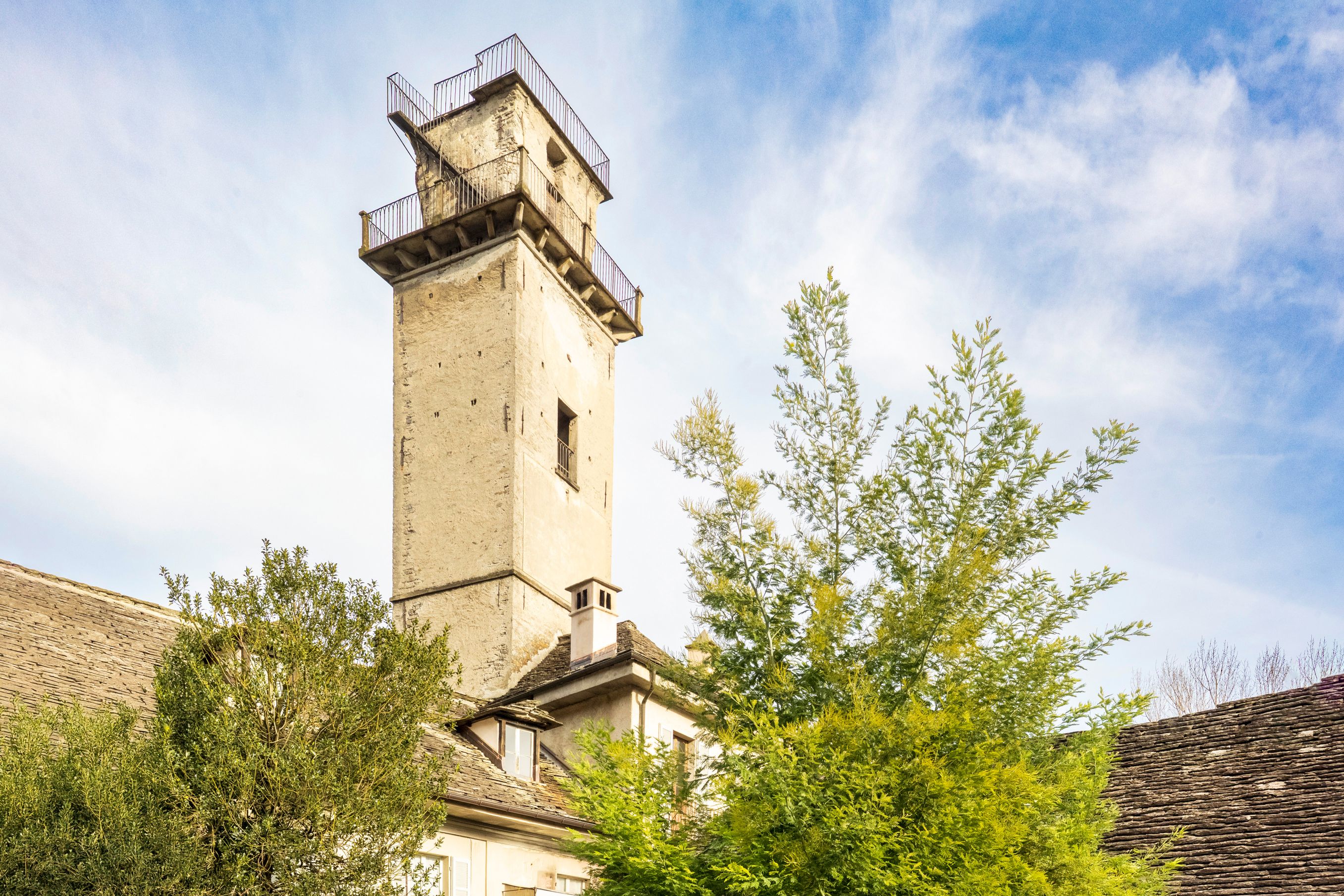
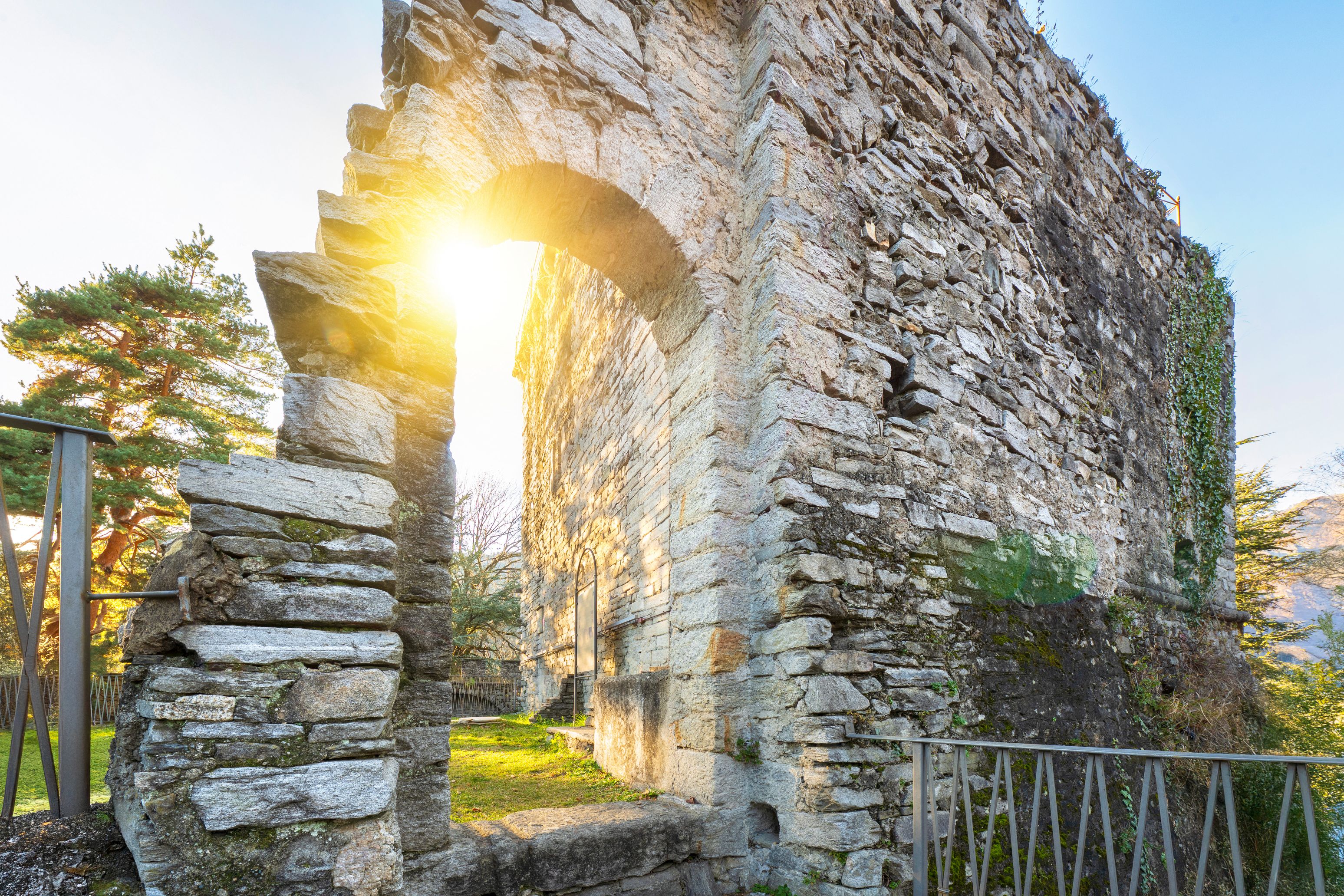
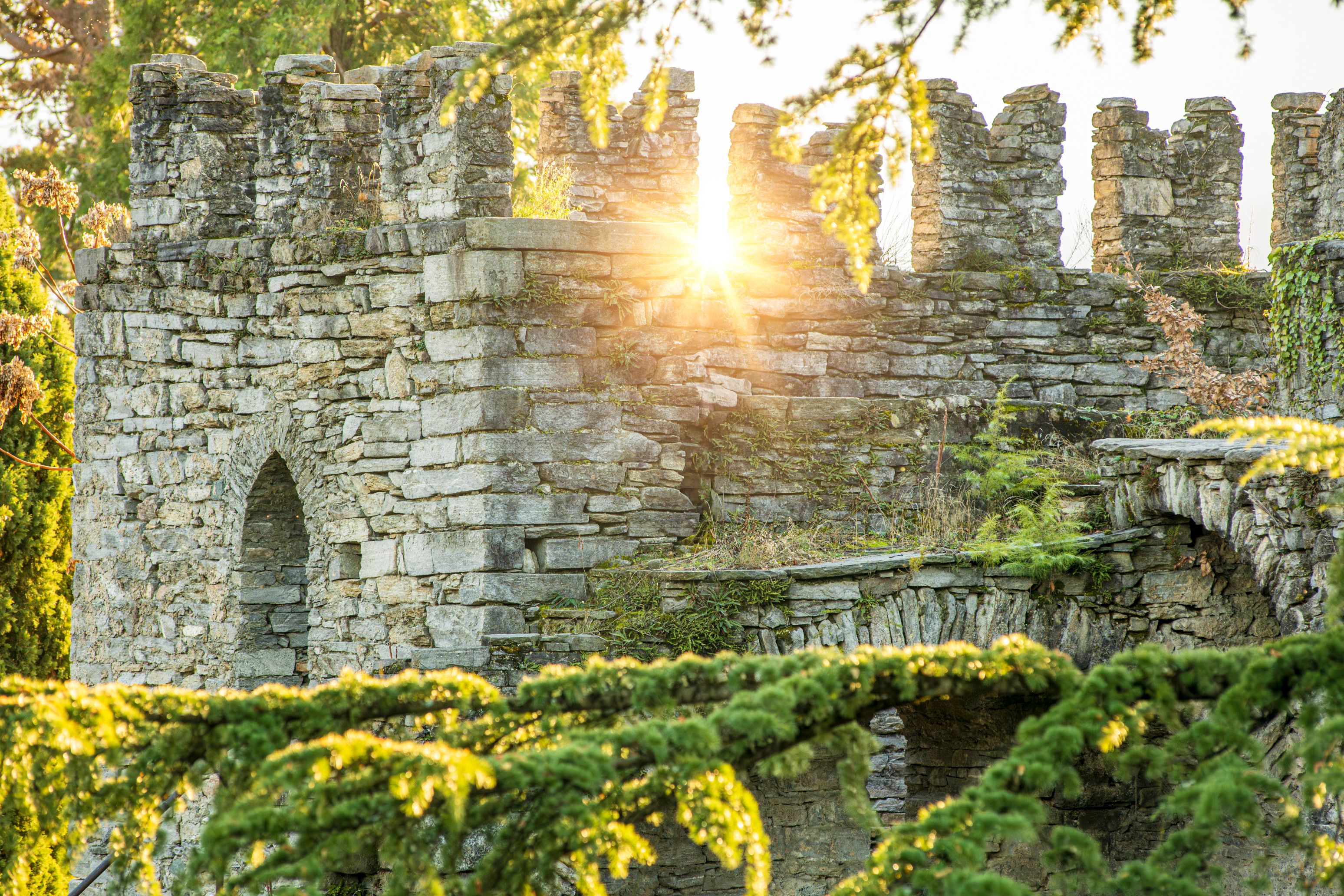
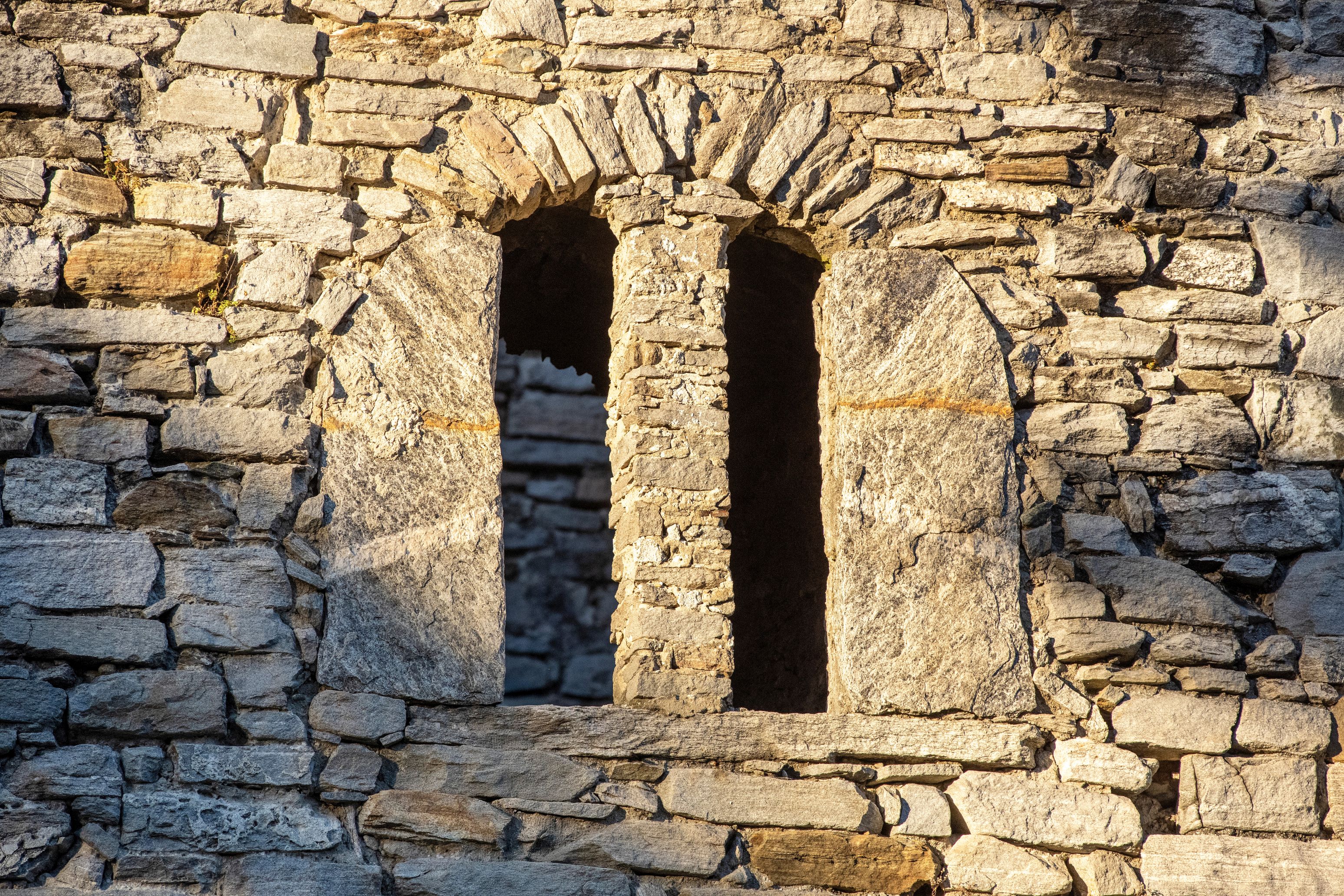
The three-storey keep at the highest point of an enclosure, a long section of curtain wall, two ravelins with machicolations and a section of crenellated masonry with walkways still remain from the original fortress.
Archaeological excavations have documented the hill's use since the early Middle Ages, while the first written mention of the castrum dates back to 1014, when Emperor Henry of Saxony recognised it as a possession of the Bishops of Novara, feudal lords of the upper Ossola. Here the bishop transferred his palace and secular curia, which were reconfirmed in 1155. In 1321, Ossola came under the power of the Visconti family: the Mattarella castle also became a dominion of the Duchy of Milan and retained its military functions until 1415 when the Swiss, who had come down from the Alpine passes to occupy the Ossola Valley, almost completely dismantled it, destroying the episcopal palace, the walls and some towers.
After the destruction, the hill was abandoned for more than two centuries. In 1656, two Capuchin friars from the Domodossola convent, Father Gioacchino da Cassano and Father Andrea da Rho, chose it for the construction of a devotional path dedicated to the Passion of Christ. A renewed vitality animated the complex from 1828 when the religious order founded by Antonio Rosmini settled there. Work then resumed with the construction of more chapels and the convent.
The Hill is now a UNESCO heritage site as part of the Sacri Monti serial site
Credits Susy Mezzanotte